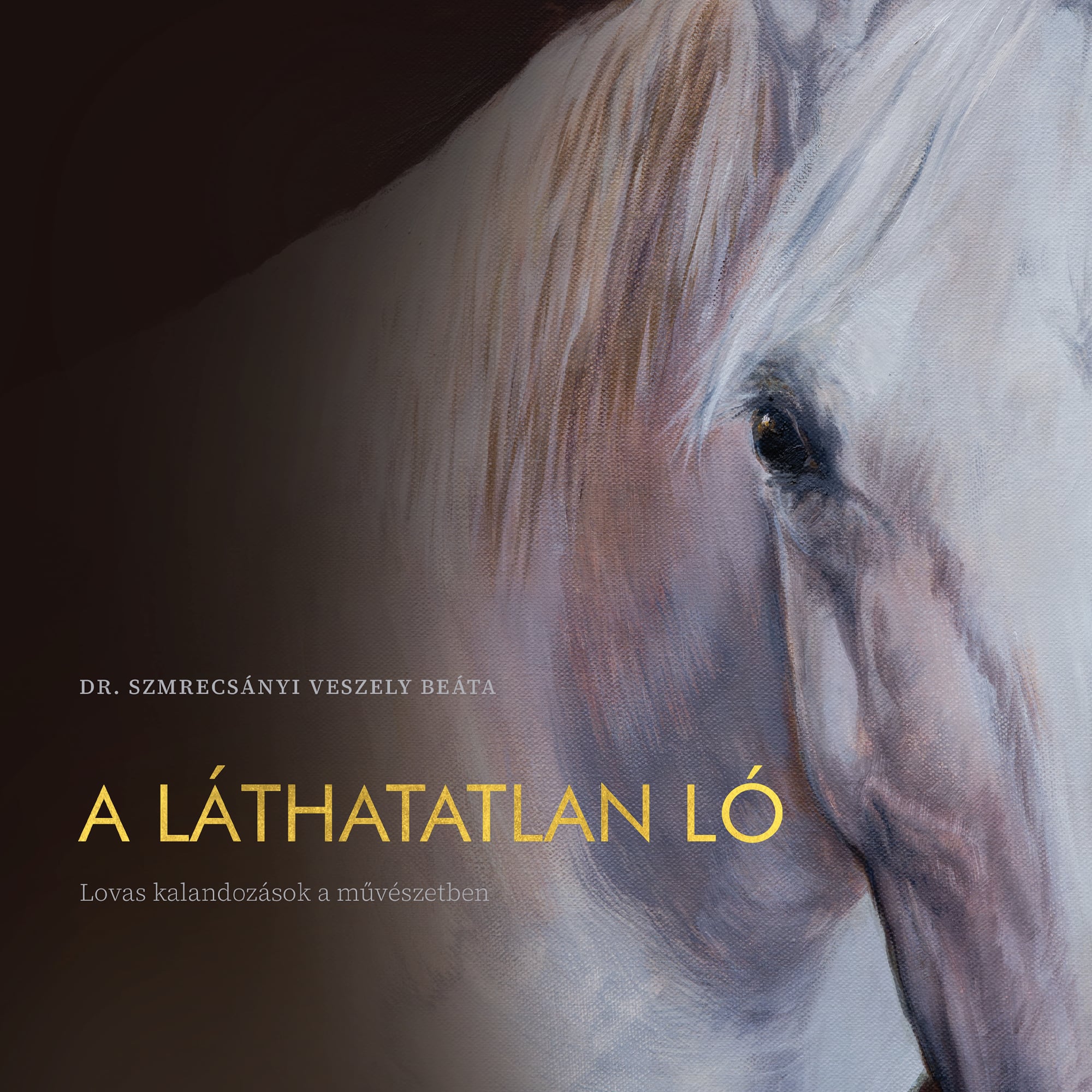
The Invisible Horse
Equestrian Adventures in Art
A long-awaited, groundbreaking work that speaks not only to artists and art historians interpreting equestrian depictions but also provides valuable insights for riders seeking to understand the mysteries of horses in art.
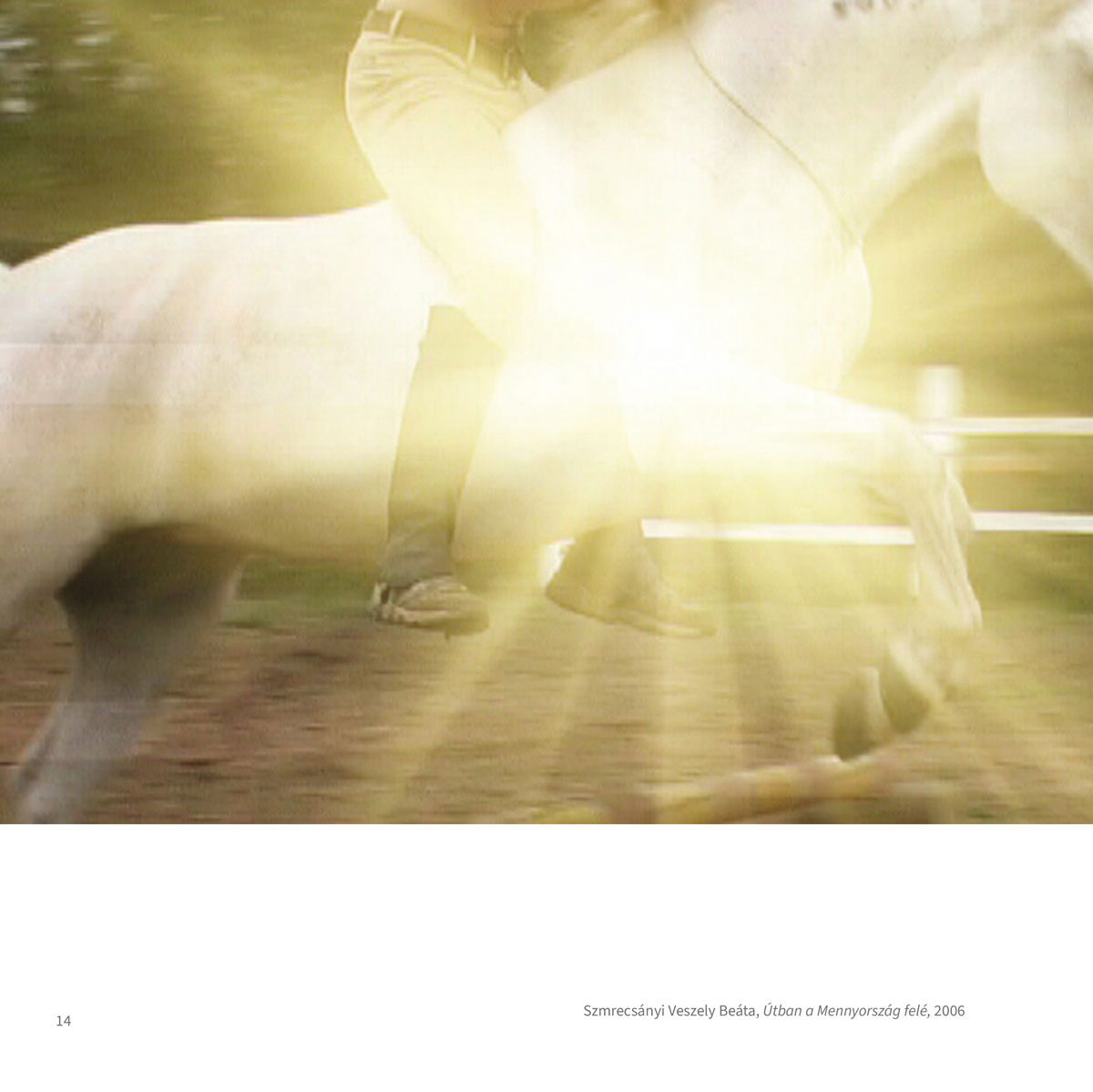
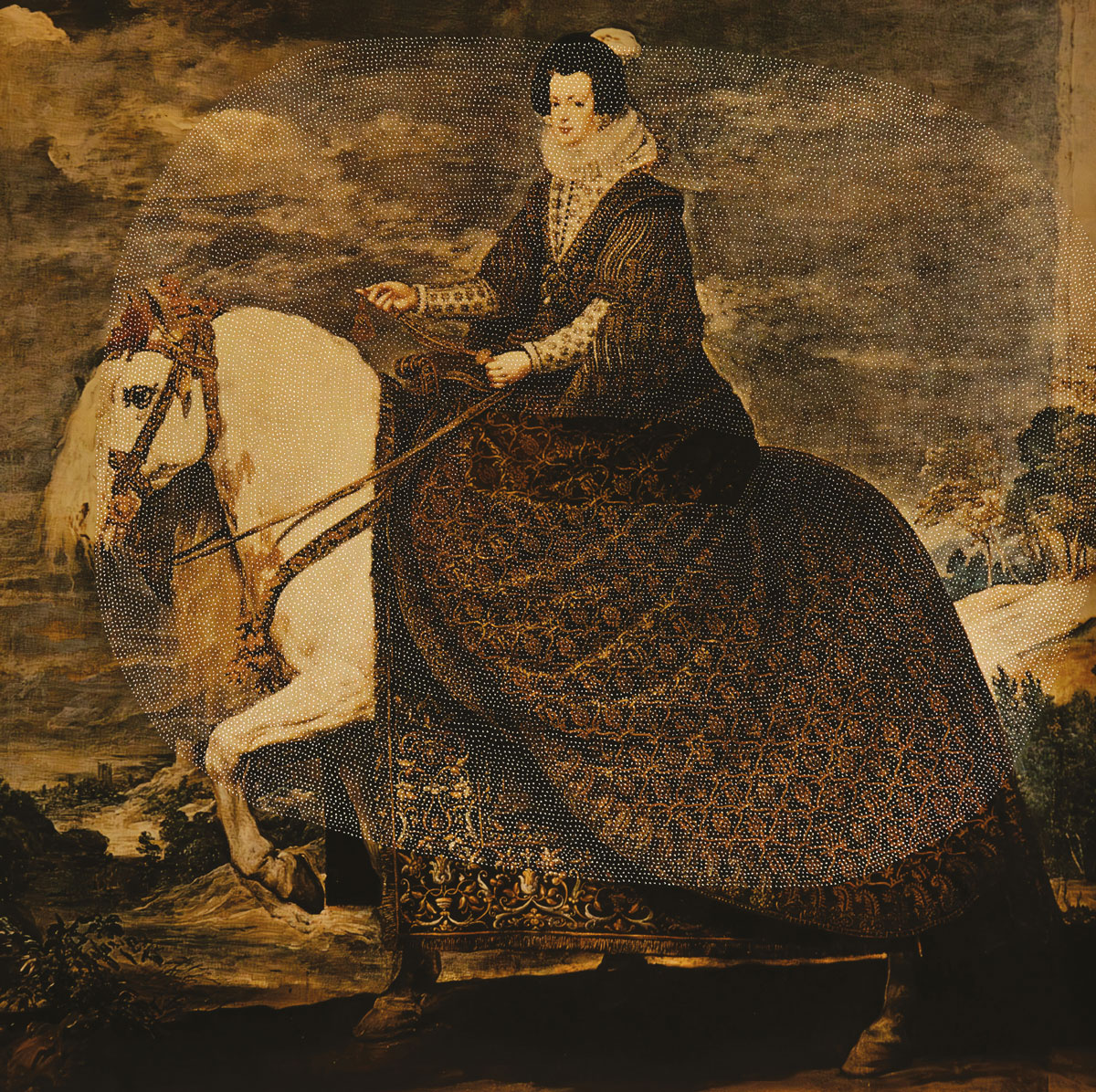
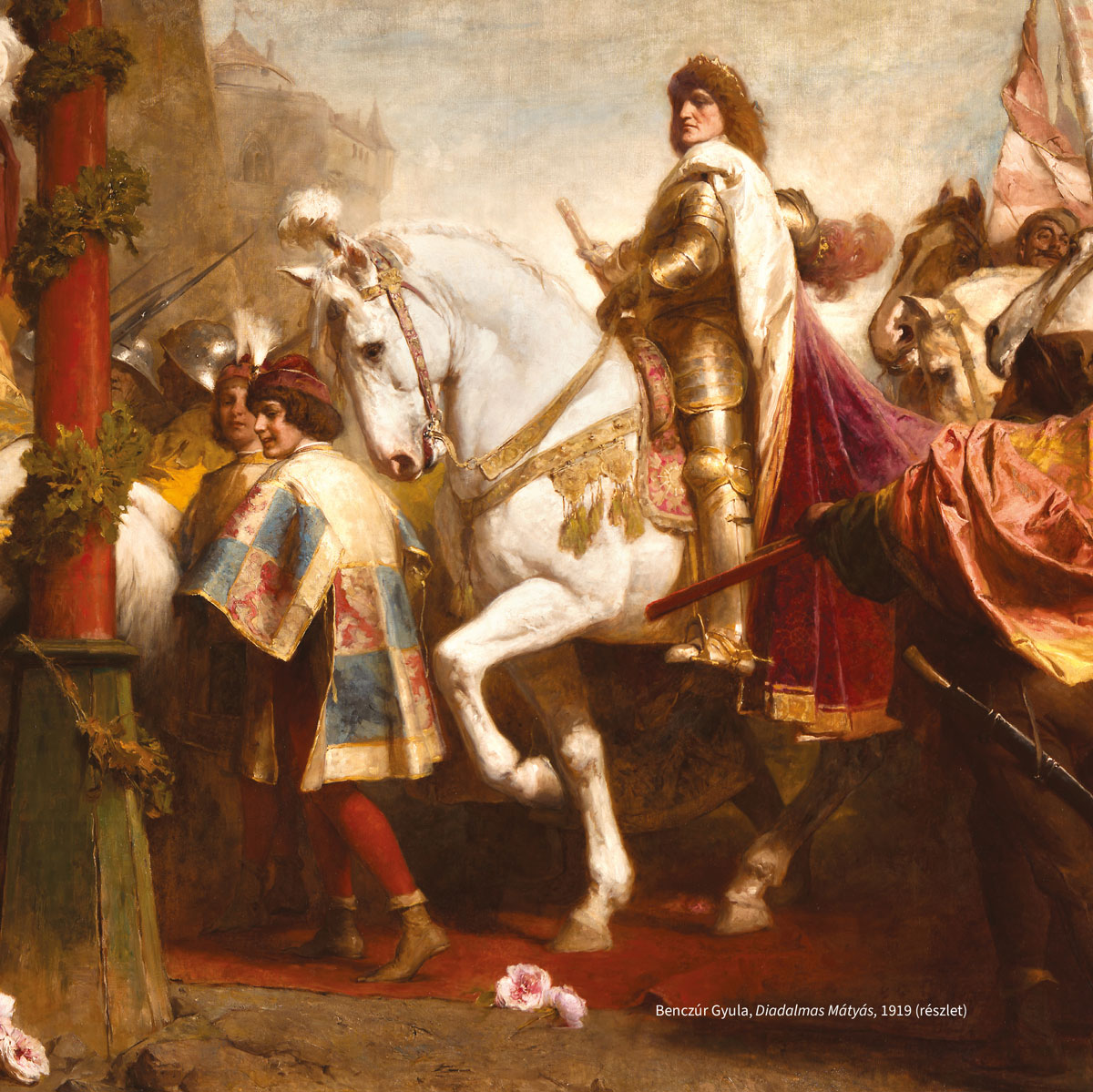
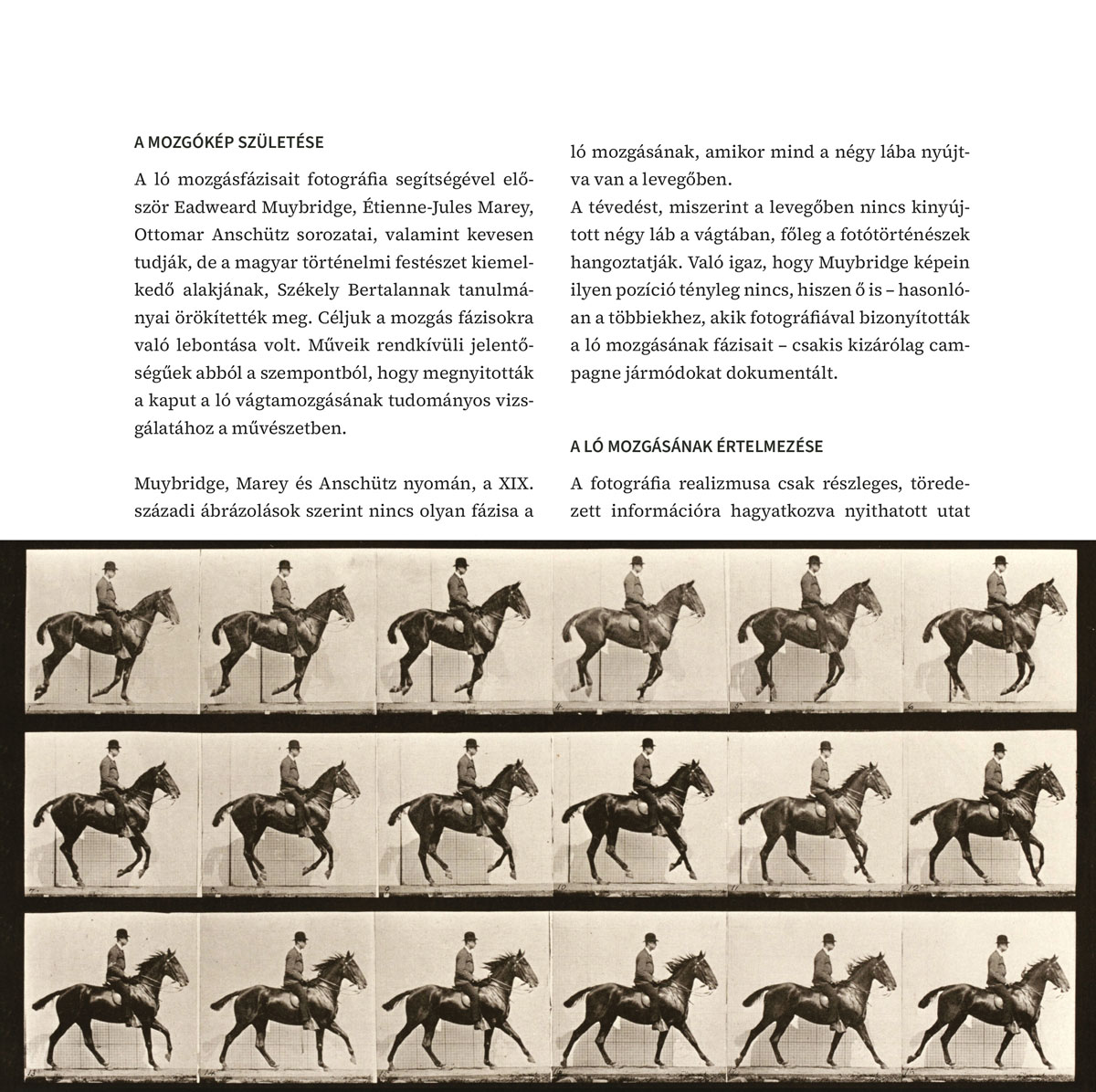
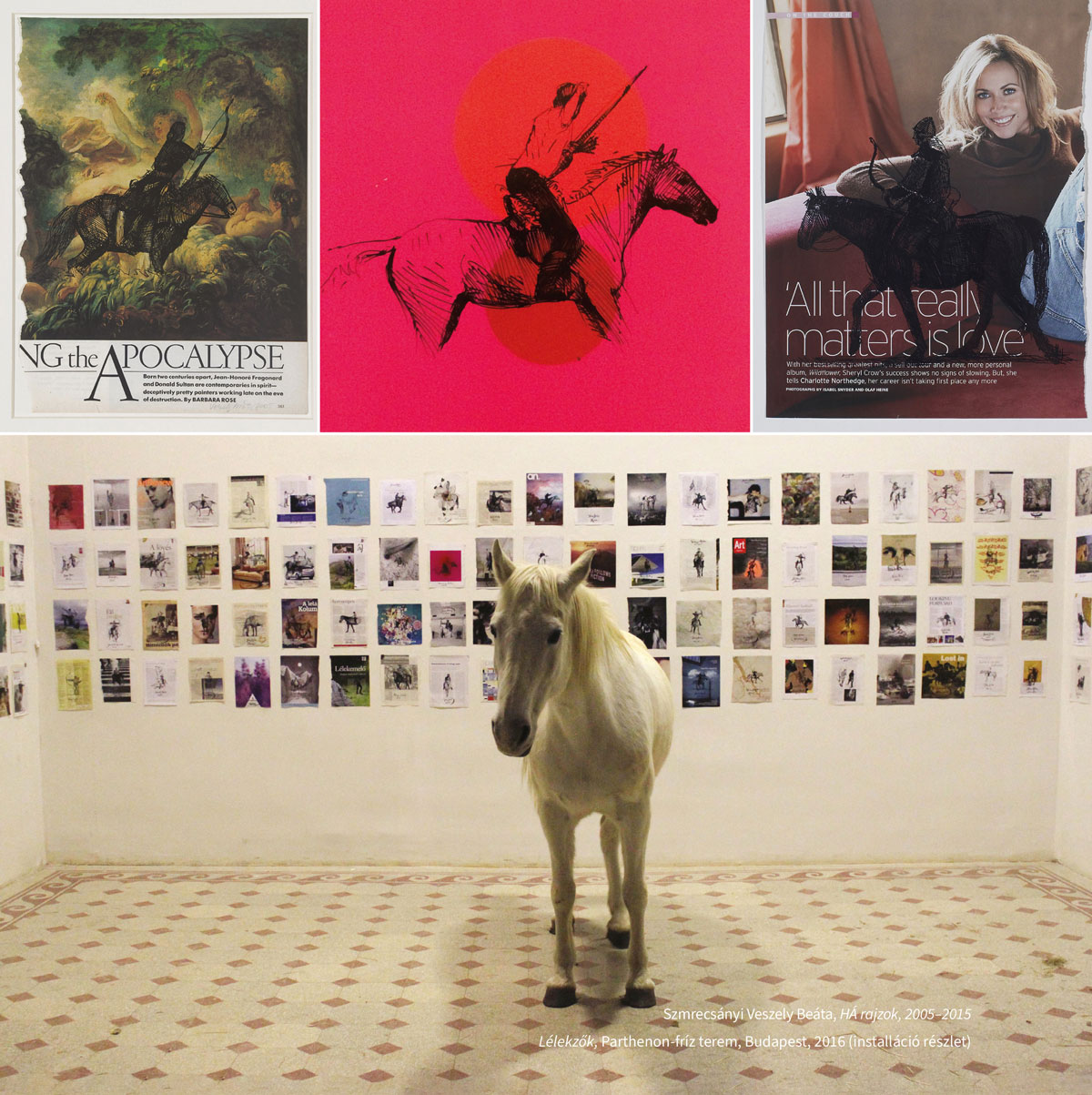
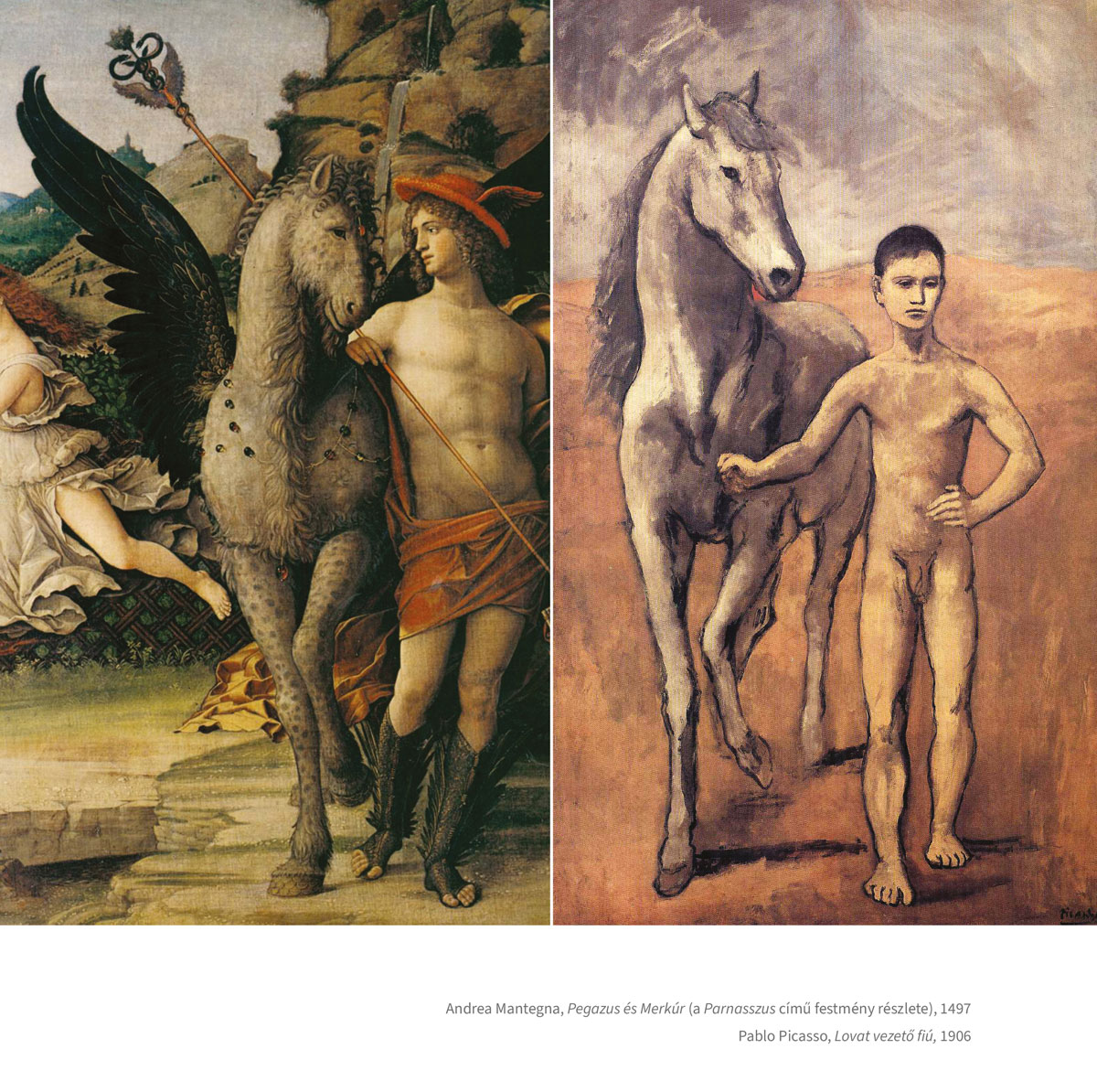
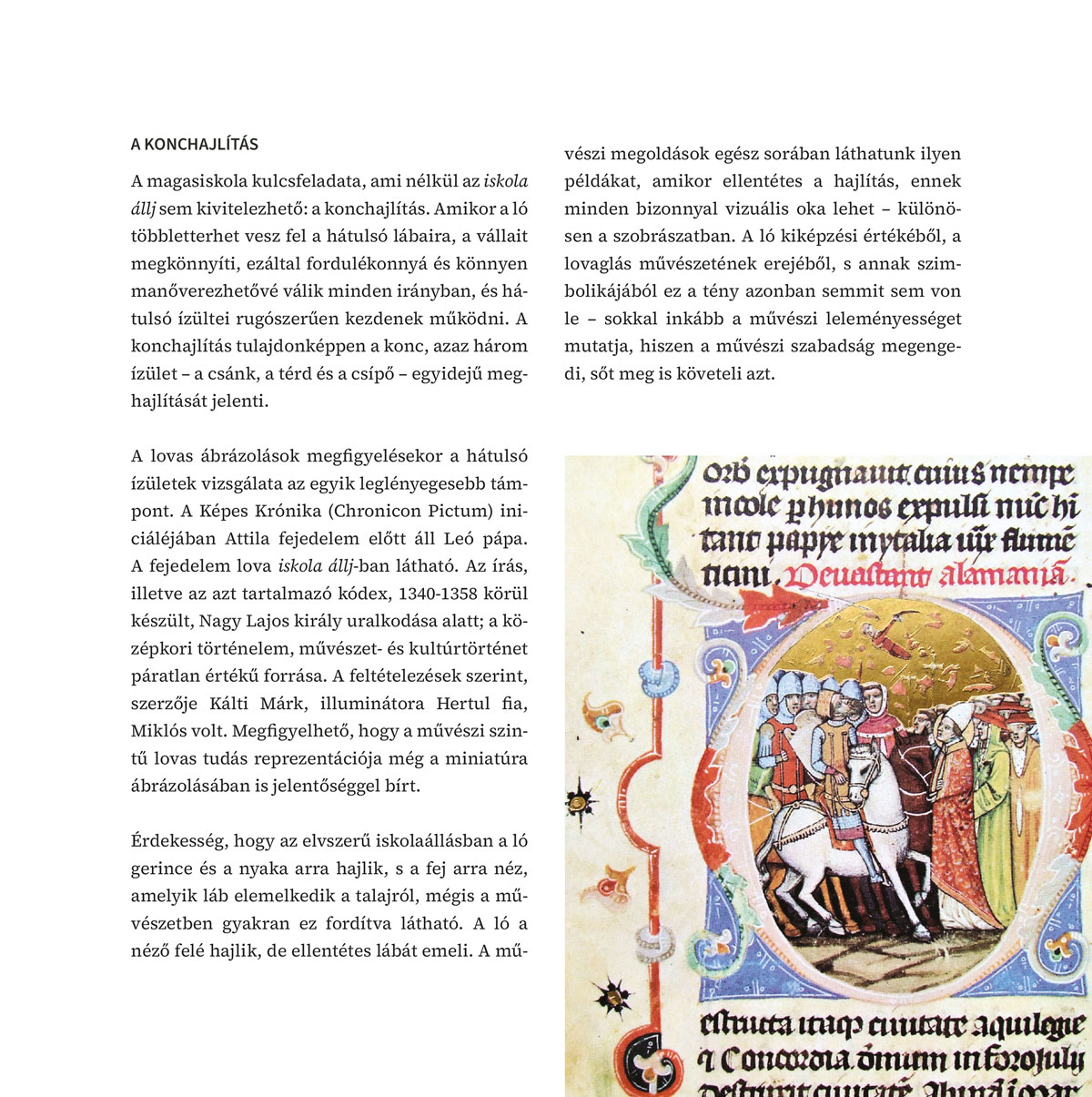
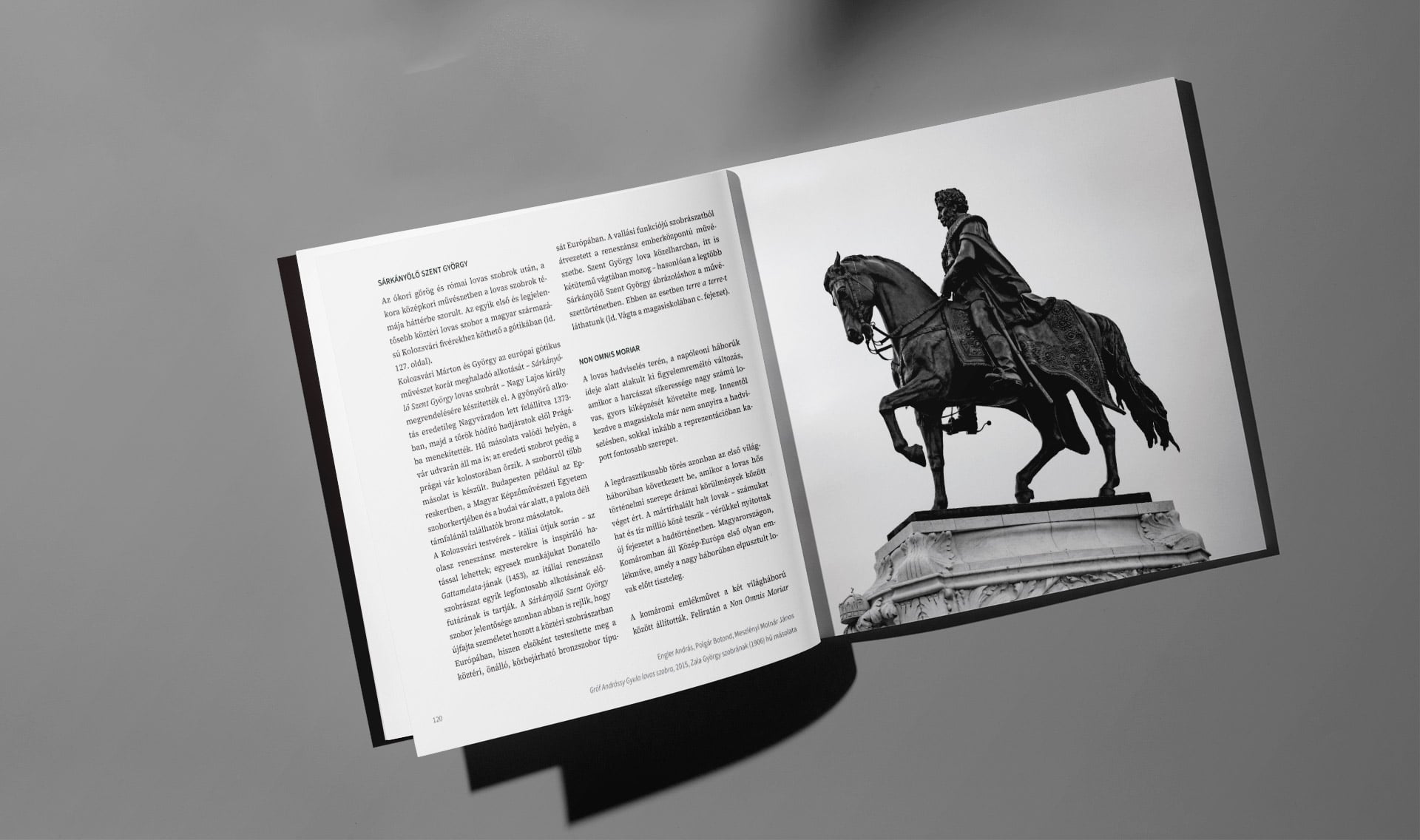
At the heart of the book are artworks depicting horses and riders, as well as the art of riding itself – yet the writings and illustrations tell stories from much deeper layers: about the sacred past, present, and future of the relationship between horse and human. Furthermore, Dr. Szmrecsányi Veszely Beáta even assists her readers in learning how to appreciate contemporary art as discerning equestrians.
Therefore, this book is a recommended foundational work for anyone who loves horses and art, whose heart is open to viewing the historical role of horse and rider from a new perspective, and who enjoys admiring beautiful artworks, comparing ancient creations with contemporary ones. And of course, it is also for those who wish to learn more about the world than what meets the eye – those who want to see what is Invisible…
This is the latest volume in the Academic Art of Riding Hungary book series, with recommendations from Kassai Lajos and Oberfrank Pál, and a foreword by Dr. Boór-Gőblyös István.
Release date in Hungarian: December 2025
English edition: coming soon
Hardcover with dust jacket
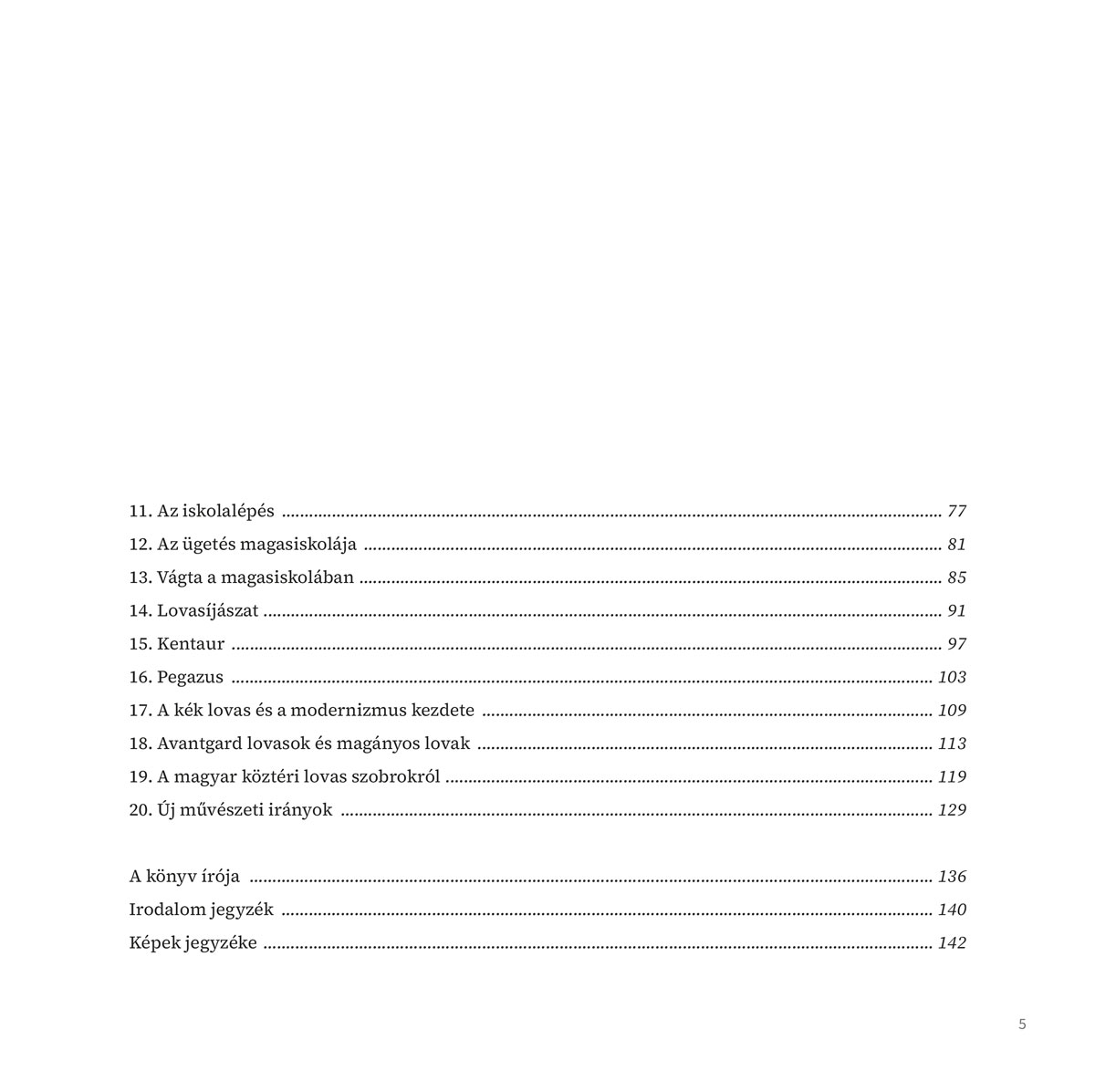
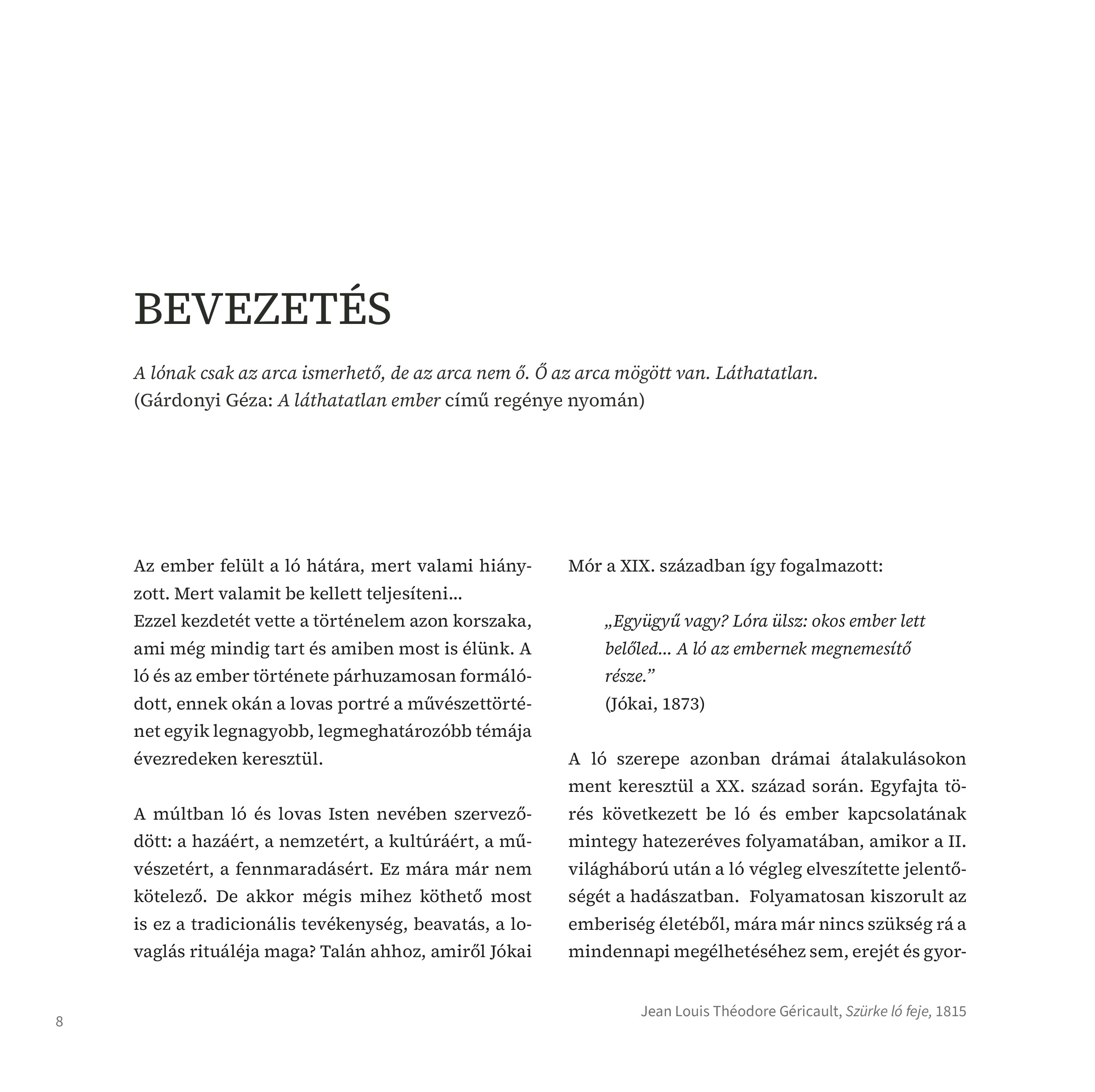
150 pages, 70 color illustrations
Published by: Arany-ló Papír Kft.
ISBN 978-615-02-5365-7
Price: 14,950 HUF
%20--%3e%3cdefs%3e%3cstyle%3e%20.st0%20{%20fill:%20%231e2822;%20}%20%3c/style%3e%3c/defs%3e%3crect%20class='st0'%20x='85.04'%20y='23.75'%20width='201.01'%20height='.3'/%3e%3crect%20class='st0'%20x='309.23'%20y='23.75'%20width='200.76'%20height='.3'/%3e%3cpath%20class='st0'%20d='M295.68,16.64c.08-.07.19.04.17.12-.06.31-.06.63,0,.94.67.14,1.33.37,1.97.61.64.26,1.26.58,1.86.93.72.43,1.4.94,1.99,1.54.11.1.24.24.22.4-.01.17-.17.28-.28.39-.22.19-.27.5-.48.7-.12.11-.29.15-.45.14-.2,0-.4-.05-.59-.1-.76-.19-1.53-.44-2.33-.43-.52,0-1.01.22-1.48.42-.41.18-.85.33-1.31.33-.57,0-1.15-.17-1.61-.52-.24-.17-.42-.41-.54-.68.1.11.17.26.3.35.32.33.76.53,1.21.61.46.09.95.03,1.38-.13.28-.1.54-.23.79-.37.23-.13.48-.25.75-.3.28-.05.56-.03.83.03.58.12,1.15.32,1.73.45.24.06.48.12.72.15.15.02.32.02.43-.1.21-.19.2-.51.41-.7.08-.1.22-.14.28-.26.06-.13-.01-.28-.11-.38-.33-.31-.67-.61-1.04-.87-.44-.31-.89-.6-1.37-.84-.34-.18-.68-.34-1.04-.48-.78-.31-1.57-.58-2.39-.8-.06-.32-.08-.66-.01-.99-.1.09-.2.18-.29.28-.18.22-.32.47-.43.73-1.09.07-2.16.45-3.07,1.06-.75.5-1.39,1.17-1.86,1.93-.57.94-.9,2.03-.92,3.13-.03,1.17.28,2.34.88,3.35.38.65.89,1.21,1.48,1.69.15.13.32.26.5.36.93.61,2.01.96,3.12,1.01,1.32.08,2.65-.28,3.76-1,.23-.13.43-.3.64-.47.17-.12.3-.28.46-.42-.17.2-.35.39-.56.55-.57.52-1.25.93-1.97,1.21-1.14.45-2.42.55-3.62.32-.98-.19-1.92-.62-2.7-1.23-.56-.42-1.04-.95-1.43-1.53-.79-1.17-1.17-2.59-1.07-3.99.01-.08.01-.15.01-.23.07-.6.21-1.19.43-1.76.49-1.24,1.39-2.3,2.51-3.03.97-.62,2.11-.98,3.26-1.02.19-.44.46-.87.88-1.14'/%3e%3cpath%20class='st0'%20d='M303.75,24.93c1.06-.25,2.18-.29,3.25-.03.74.18,1.45.51,2.08.94.31.22.62.44.9.7-.28-.2-.56-.42-.86-.6-.75-.46-1.6-.76-2.48-.87-.85-.11-1.72-.04-2.56.16-.99.23-1.92.66-2.81,1.13-.99.52-1.94,1.1-2.93,1.6-.78.4-1.6.74-2.46.91-.6.11-1.22.13-1.81.01-.3-.05-.58-.16-.85-.29-.47-.23-.9-.53-1.28-.89.44.34.93.62,1.47.78.52.16,1.08.19,1.62.15,1.02-.09,1.98-.47,2.89-.92.95-.47,1.86-1.02,2.79-1.52.97-.53,1.99-1.01,3.07-1.27'/%3e%3c/svg%3e)
Recommendations
"The relationship between humans and horses became closer when the three great pursuits of knowledge – science, art, and religion – had not yet atomized to the extent they have today. It is difficult for 21st-century humans, wandering in virtual spaces and living alongside artificial intelligence, to understand the mindset of those who lived in close connection with the created world. Szmrecsányi Veszely Beáta's book can help us in this regard. Reading the book was a pleasure for me, as it was written by someone with decades of experience in riding, equestrian archery, and the arts. I recommend this book to those who wish to better understand the content behind the form of horses appearing in the arts."
Kassai LajosMaster Bowyer,Founder of Modern Equestrian Archery
"The purpose of art is to touch emotions. This is the deepest basis of artistic freedom: how else could one evoke emotions within constraints? The creator often does not depict reality to have an effect, but its reflection, a symbolic version - sometimes exaggerating it, even using irony. The path to a more authentic capture of reality leads precisely through freedom. In contrast, equestrian representation has a strong tradition of hyperrealism: depicting reality with meticulous, detailed fidelity. This requires not only anatomical knowledge but also an understanding of the fine details of horse training - not coincidentally, as riding and horse training were for millennia the arts of soldiers. This book by Dr. Szmrecsányi Veszely Beáta is not only for riders, for whom the individual artworks reveal riding and training elements, but also for artists, serving as a compass, showing how deep and rich the traditions of equestrian representation are built upon."
Dr. Boór-Gőblyös IstvánHorse Trainer,Riding Coach,
Founder of the National Riding Academy
"What is striking right from the Introduction is the thought that 'in the past, horse and rider organized themselves in the name of God: for the homeland, for the nation, for culture, for art, for survival.' Horse and rider made a pact, moreover in the name of God, on the most sacred matters, which represent the highest stakes for many of us today. The sovereignty of the homeland and nation, the unifying power of culture and arts, the hoped-for common ground that can mean survival in a rapidly changing world, and survival itself, which now affects not only our country but also Europe and other continents in every respect except perhaps physical. The horse is one of the ancient great gifts bestowed upon humanity by the Creator. Existing with it primarily means a sacred, spiritual experience. We must preserve our ability and openness to this, and our resulting mission, which elevates us all to higher realms. We are a nation of horsemen. Long live horses and riders in peace, love, and harmony!"
Oberfrank PálKossuth Prize-winning Actor,Director of the Veszprémi Petőfi Theatre,
President of the Veszprém Region of the Hungarian Academy of Arts
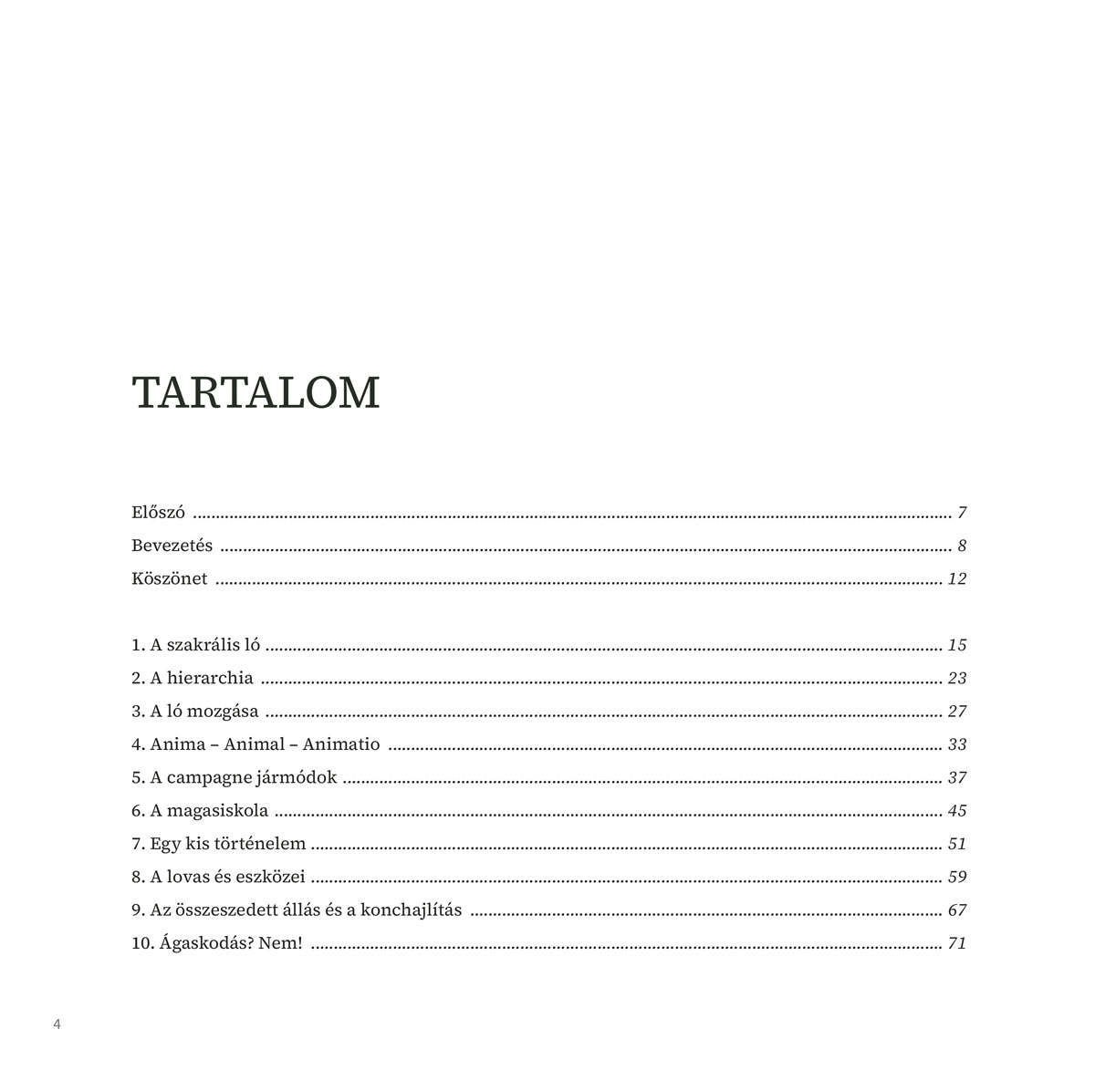
Look inside the book

Where to Buy
Magyar Nemzeti Galéria - MúzeumShop / Hungarian National Gallery
Szépművészeti Múzeum - MúzeumShop / Museum of Fine Arts
Műcsarnok / Kunsthalle Budapest
Nagy Lovas lovasáruház / Equestrian store
KLP Lovasfelszerelés / Equestrian store
Nyeregvilág / Equestrian store
Püski Könyvesház / Püski Bookstore
Kassai Lovasíjászat / Kassai Equestrian Archery
Order Now
The Academic Art of Riding Hungary Equestrian Professional Book Series